
Best Time to Surf in Sidi Ifni, Morocco: A Season-by-Season Guide
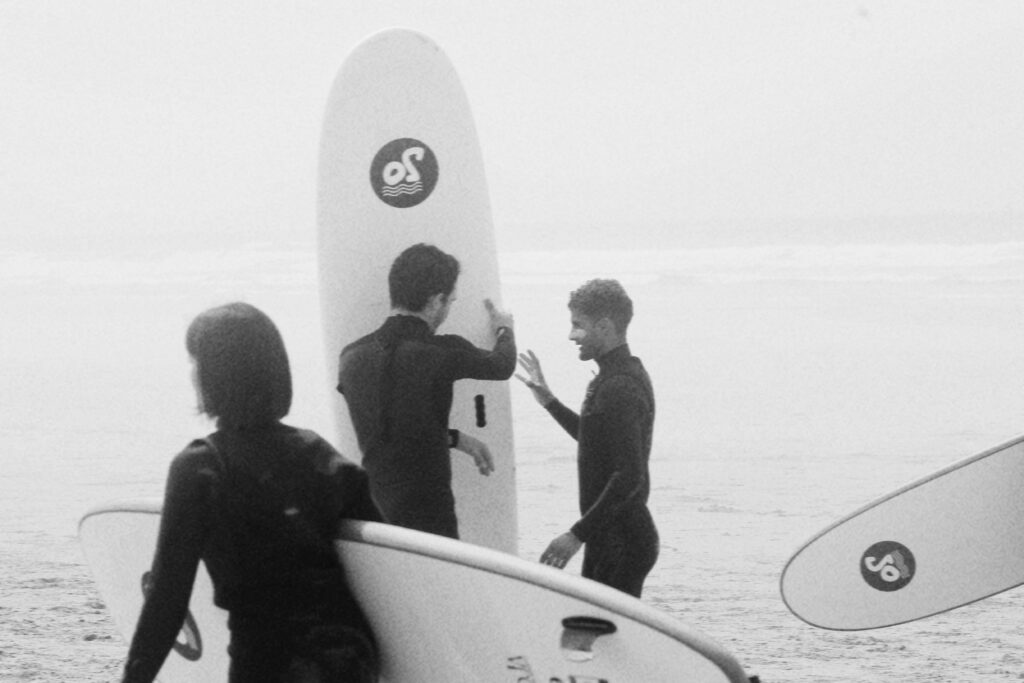
If you’ve been searching “best time to surf Morocco,” chances are every result points you toward Taghazout. But tucked further south on Morocco’s Atlantic coast, Sidi Ifni holds its own surf season — one with fewer crowds, a right-hand reef break, and waves that work almost all year round. So when should you actually book your trip?
Here’s the honest, season-by-season breakdown.
Sidi Ifni’s Surf Season at a Glance
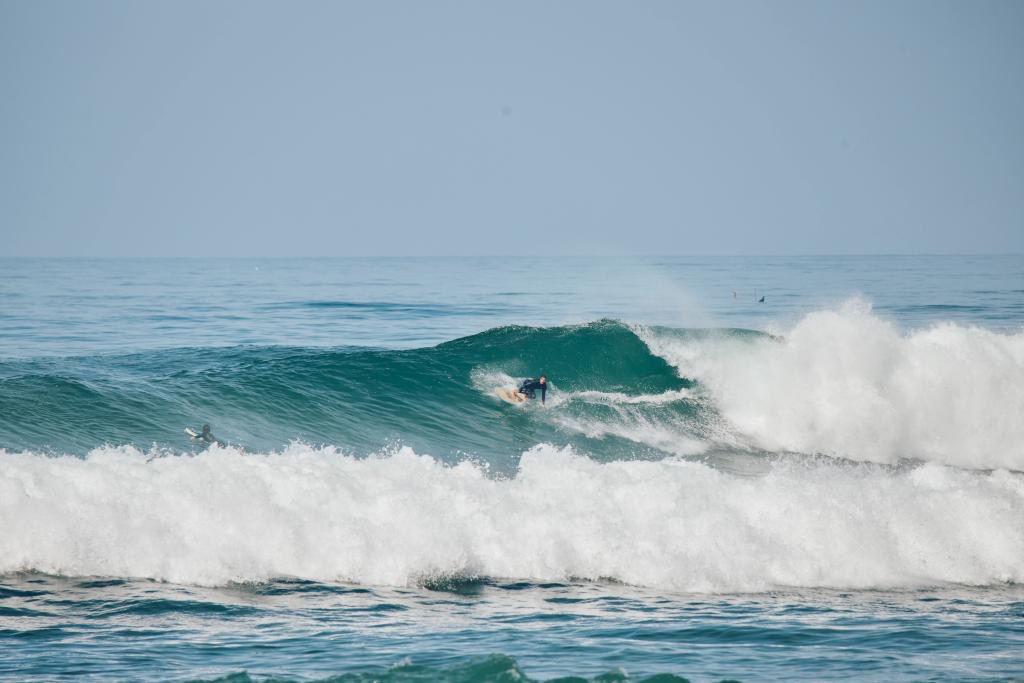
Sidi Ifni sits on an exposed stretch of coast that picks up consistent groundswell from the northwest, with the most reliable, cleanest conditions arriving when an offshore wind blows from the east-southeast. Unlike beach breaks further north, the reef here can hold a swell at almost any time of year — which is exactly why surfers are starting to choose Sidi Ifni over the more crowded lineups near Agadir.
That said, “best” depends on what you’re chasing: bigger waves, warmer water, or fewer people in the lineup. Here’s how the year breaks down.
One thing worth knowing upfront: there’s no “bad” season to start surfing in Sidi Ifni. Our coaches choose sheltered, mellow spots for lessons no matter the month, so beginners are welcome to learn here year-round — including winter. The bigger swells that show up in the colder months run alongside calmer, friendlier breaks that are perfect for first-timers, so you’re never thrown into conditions beyond your level. It’s not a dangerous place to learn; it’s a safe one, all year long.
Winter (December–February): Peak Swell Season
Winter is when Sidi Ifni shows its full potential. Groundswells from the North Atlantic arrive consistently, December in particular tends to deliver the most rideable, well-shaped days of the year. Expect:
- The most powerful and consistent waves of the year
- Water temperatures around 16–18°C — a 4/3mm wetsuit and boots are worth packing
- Mild, sunny days even when the water is cool
- More serious surfers in the water, though Sidi Ifni still stays far quieter than Taghazout
This is the season for intermediate and advanced surfers chasing real waves — but it’s just as good a time for beginners to start. Our lessons run on protected, gentle stretches away from the bigger sets, so even in the heart of winter you can learn to stand up, read whitewater, and get comfortable in the ocean without ever facing conditions that feel intimidating. Plenty of our students take their very first lesson in December and January.
Spring (March–May): The Underrated Shoulder Season
Spring is when Sidi Ifni starts to soften without losing swell. Waves stay consistent but become more manageable, water temperature begins climbing out of its winter low, and the town empties out, leaving long, peaceful sessions and quiet beaches. May especially marks the shift toward gentler, summer-style swells — making it a sweet spot for surfers of alllevels who still want a touch of winter power without the chill.
If you want one trip that balances good waves, comfortable conditions, and minimal crowds, spring is hard to beat.
Summer (June–August): The Easiest Conditions Year-Round
Summer brings the smallest, friendliest waves and the warmest water of the year (climbing toward 20–22°C by September). If you want the gentlest possible introduction to surfing, this is it — though as covered above, it’s far from your only option. It’s also when Sidi Ifni’s coworking-friendly pace and long daylight hours make it easy to combine surf lessons with yoga, work, and exploring the medina.
Bottom line: summer is the easiest season to learn in, but it’s not the only season you can learn in.
Autumn (September–November): Warm Water, Building Swell
September is the warmest the ocean gets all year at Sidi Ifni, and autumn swell starts to build back up as the season turns. It’s a genuinely underrated stretch: warm water, fewer tourists than summer, and waves that are progressively more interesting without the full intensity of winter. For surfers who want warmth and a bit more push in the waves, autumn — especially September into October — is one of the best-kept secrets of the Sidi Ifni surf calendar.
So, What’s The Best Time to Surf Sidi Ifni?
There’s no single right answer — it depends on you:
| If you want… | Go in… |
|---|---|
| The biggest, most consistent waves | December–January |
| Warm water and easy learning conditions | June–August |
| A quiet lineup with reliable swell | March–May or September–October |
| The warmest sea temperature of the year | September |
For most beginners and surf-and-yoga travelers, late spring through early autumn offers the best balance of warm water, manageable waves, and good weather for exploring Sidi Ifni beyond the break.
Wetsuit Guide by Season
- Winter (Dec–Feb): 4/3mm wetsuit + boots
- Spring (Mar–May): 3/2mm spring suit
- Summer (Jun–Aug): 2mm shorty or boardshorts
- Autumn (Sep–Nov): 2mm shorty / 3/2mm spring suit
Beginners: Why Any Season Works for Your First Lesson
A lot of people assume winter is “for experts” and beginners should only show up in summer. At Moja, that’s not how it works. Our coaches pick the spot to match the day’s conditions, not the calendar — so whether it’s December or July, your first lesson happens on friendly, manageable whitewater, with the same small-group, personalised coaching either way.
That means you can plan your trip around your schedule — flights, budget, time off — without worrying you’ve picked a “dangerous” month. The waves we teach on are chosen to be safe and approachable all year long; the only thing that changes season to season is the water temperature and what wetsuit you’ll want.
Frequently Asked Questions
Is Sidi Ifni good for beginner surfers in winter? Yes. Lessons take place on sheltered, gentle breaks regardless of the season, so winter is just as safe a time to learn as any other month — you’ll just want a thicker wetsuit.
Is it dangerous to learn to surf in Sidi Ifni? No. Coaches choose beginner-friendly spots with manageable whitewater year-round, and lessons are run in small groups with close supervision, whatever the season.
What’s the water temperature in Sidi Ifni? It ranges from around 16°C in late winter to 20–22°C at its peak in September, making a spring suit or shorty enough for most of the year.
Is Sidi Ifni less crowded than Taghazout? Yes — Sidi Ifni’s reef and beach breaks see far fewer surfers year-round, even during peak winter swell.
Can I surf in Sidi Ifni all year? Yes. Sidi Ifni works at any time of year, which is part of what makes it such a flexible destination compared to spots with a narrower season.
Ready to Catch Your Best Swell?
Whatever season you choose, Moja Surf & Stay in Sidi Ifni pairs daily surf lessons with yoga, local culture, and a true Moroccan surf-house atmosphere — away from the crowds. Get in touch and we’ll help you plan the right trip for your level and the season you’re traveling in.